
Understanding Home Insurance Basics
Home insurance, often referred to as homeowners insurance, is a policy designed to provide financial protection against various risks associated with homeownership. Its primary purpose is to safeguard an individual’s dwelling against damages caused by disasters such as fire, theft, vandalism, and certain natural events. In addition to protecting the physical structure of the home, a home insurance policy also typically covers personal belongings within the residence, providing security for furniture, electronics, and other possessions.
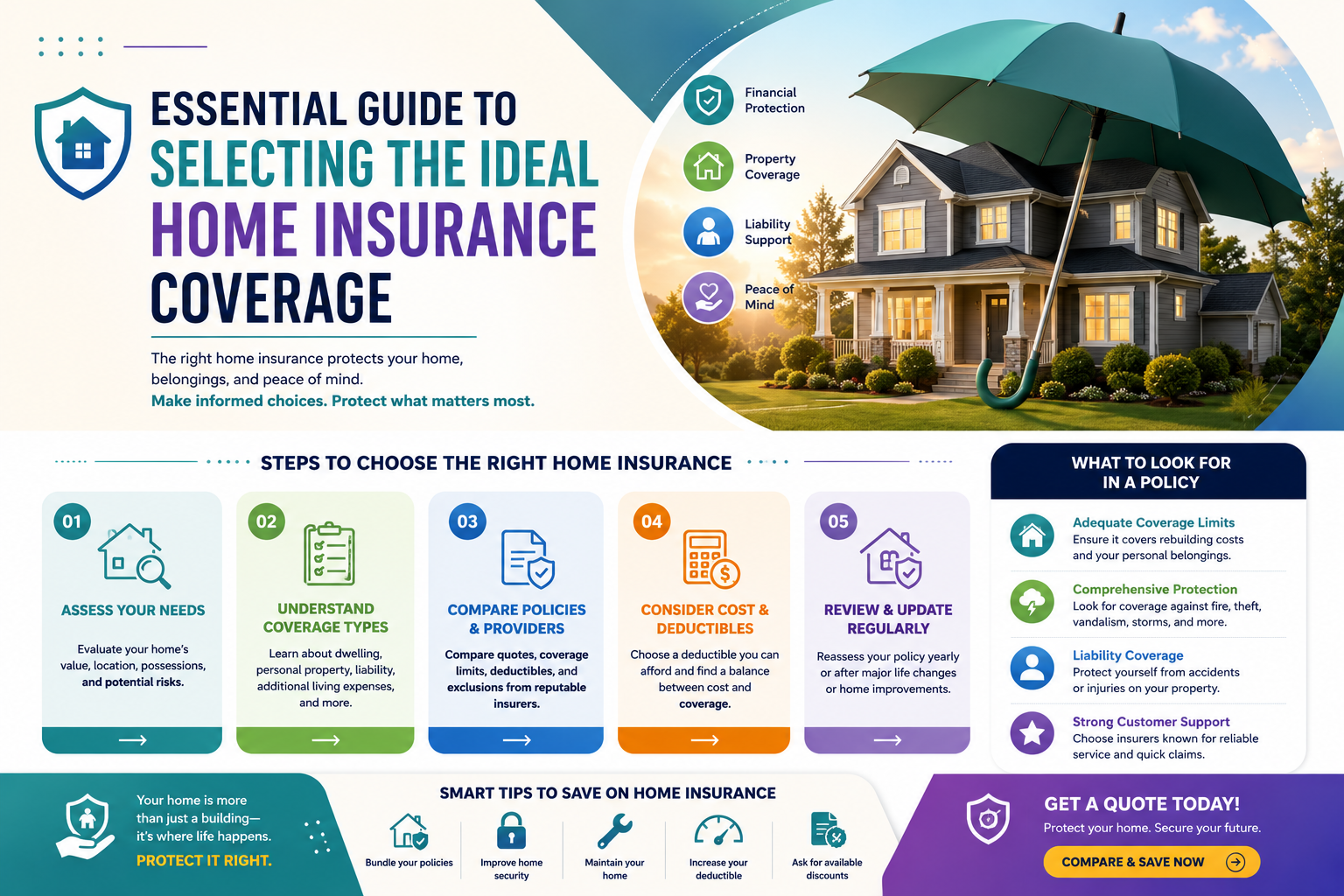
A standard homeowners insurance policy generally includes several types of coverage. One main component is dwelling coverage, which insures the physical structure of the home against named perils. Another essential element is personal property coverage, which helps replace or repair personal items in the event of damage or loss. Liability coverage is equally important; it protects homeowners from financial losses resulting from claims of personal injury or property damage occurring on their premises.
Furthermore, additional living expenses coverage can assist homeowners in covering costs of temporary housing if their home becomes uninhabitable due to a covered event. Understanding the various types of coverage included in a home insurance policy is crucial for homeowners. It allows them to assess their needs effectively and make informed decisions about the level of coverage required.
Before deciding on a particular home insurance policy, it is essential for homeowners to familiarize themselves with the terminology and various components that come into play. By grasping the basics of home insurance and the complexities involved, individuals are better positioned to select a policy that not only meets their unique needs but also provides adequate protection against unforeseen risks and liabilities.
Assessing Your Home’s Unique Needs
When it comes to selecting the ideal home insurance coverage, understanding your home’s unique characteristics is paramount. Each property is distinct, and various factors play a critical role in determining the necessary protection. One of the foremost considerations is the location of your home. Properties situated in areas prone to natural disasters, such as floods or earthquakes, may require additional coverage that addresses these specific risks. Researching the historical data of your neighborhood can provide valuable insight into the types of hazards your home might face.
Another significant factor is the size of your home. Larger homes generally have greater replacement costs, which influences the amount of coverage needed. A thorough assessment involves calculating your home’s square footage to estimate proper coverage amounts accurately. Additionally, it is important to account for any unique structures on your property, such as garages or sheds, which may necessitate further insurance adjustments.
The age of your home also affects insurance needs. Older homes might need special endorsements or higher coverage limits due to outdated systems, such as plumbing or electrical wiring that could pose increased risks. Home insurers often consider the overall condition and maintenance of the property, as well as any renovations or upgrades that may have occurred over time. This can help in understanding whether more comprehensive or specialized coverage is advisable.
Potential risks are not limited to location or physical home characteristics; they also encompass lifestyle elements. For instance, homeowners who have high-value possessions, such as antiques or artwork, may require additional coverage that safeguards these items against theft or damage. By evaluating all these aspects, you will be better positioned to choose an insurance policy that adequately meets your home’s specific needs and provides sufficient protection should the unexpected occur.
Types of Coverage Available
When selecting the ideal home insurance coverage, it is essential to understand the various types of protection that policies can offer. Each type of coverage serves a unique purpose and protects different aspects of your home and belongings, ensuring you select the most appropriate coverage for your situation.
One of the primary types of home insurance coverage is dwelling coverage. This type of insurance covers the physical structure of your home against risks such as fire, theft, and certain natural disasters. Dwelling coverage typically pays for repairs or rebuilds if your property is damaged, making it a critical component of any home insurance policy.
Next is personal property coverage, which protects your personal belongings, including furniture, electronics, and clothing, in the event of theft or damage. This coverage ensures that if your possessions are lost or damaged due to a covered risk, you can replace them, providing necessary financial support. It is advisable to keep an inventory of your personal items to determine the adequate amount of coverage required.
Liability coverage is another vital element of home insurance. This coverage protects you financially if someone is injured on your property and files a lawsuit against you. Liability coverage helps cover legal fees and medical expenses resulting from such incidents, making it an essential consideration for homeowners, especially those who frequently host guests.
Lastly, many home insurance policies include additional living expenses (ALE) coverage. This type of insurance provides financial assistance for living expenses incurred when your home is uninhabitable due to covered damages. ALE helps cover costs such as hotel stays and meals, ensuring that you maintain a stable living situation while repairs are made.
Understanding these different types of home insurance coverage options is crucial to ensuring you are fully protected. Evaluating your needs and potential risks will aid you in selecting the right combination of coverage types to safeguard your home and belongings effectively.
Evaluating Your Personal Belongings
When it comes to selecting the right home insurance coverage, one of the most critical steps is evaluating your personal belongings. This process not only helps you understand what you own but also plays a vital role in establishing adequate personal property coverage. An accurate inventory of your belongings allows for a more effective assessment of your coverage needs, ensuring that your policy adequately protects your assets.
To begin, make a comprehensive list of your personal belongings. Start with larger items such as furniture, electronics, and appliances. Then, move on to clothing, jewelry, and other valuables. It is beneficial to document the make, model, and condition of these items, as well as their purchase price and any receipts you may have. For high-value items, consider conducting appraisals to ascertain their current market value.
In addition to listing the items, taking photographs or videos of your belongings can provide a visual record that might be helpful in the event that you need to file a claim. This visual evidence can make the claims process smoother and more straightforward. Ensure that the images clearly show the items and their condition, and store them in a secure, easily accessible location.
Another important aspect of evaluating your personal belongings is acknowledging their value fluctuation over time. Items such as electronics can depreciate quickly, while antiques or collectibles may appreciate in value. Regularly updating your inventory every few years will help you maintain an accurate understanding of both the possessions you own and their current worth. This, in turn, enables you to adjust your home insurance policy as necessary to ensure you have the right coverage in place.
Ultimately, taking the time to assess your personal belongings is a crucial step in securing appropriate home insurance. A thorough inventory will not only clarify what you need to protect but also provides essential information when discussing coverage options with your insurance provider. By doing so, you greatly enhance your ability to safeguard your assets effectively.
Understanding Policy Limits and Deductibles
When selecting home insurance coverage, it is crucial for homeowners to understand two fundamental concepts: policy limits and deductibles. These elements play a significant role in determining the extent of coverage and the financial implications in the event of a claim.
Policy limits refer to the maximum amount an insurance company will pay for a covered loss. This limit can be set for different categories, such as dwelling coverage, personal property, and liability coverage. It is essential for homeowners to carefully assess the value of their property and belongings to select appropriate policy limits. For instance, underestimating the cost to rebuild a home can result in insufficient coverage, leaving homeowners exposed to financial risk.
On the other hand, deductibles are the amounts that homeowners are required to pay out-of-pocket before the insurance coverage kicks in. A higher deductible typically results in lower premiums, while a lower deductible usually means higher premiums. Homeowners must consider their financial situation when choosing a deductible. In cases of significant damage, such as natural disasters or theft, a lower deductible may provide more immediate financial relief, but could also lead to higher costs over time.
When deciding on policy limits and deductibles, homeowners should take into account both their personal financial capacity and the potential risks they face. For example, those living in areas prone to severe weather may prefer lower deductibles for quicker access to funds following a claim. In contrast, individuals comfortable with taking on a larger upfront payment may choose higher deductibles to reduce their monthly premium costs.
Ultimately, understanding policy limits and deductibles is vital for homeowners seeking to minimize their financial exposure while ensuring adequate coverage. By carefully analyzing their needs and risks, homeowners can make informed decisions tailored to their unique situations.
Comparing Quotes from Different Insurers
When selecting home insurance, comparing quotes from various insurance providers is a crucial step. It not only helps in determining the price for coverage but also allows potential policyholders to evaluate the overall value of each offer. The process of obtaining multiple quotes can be straightforward if one follows certain guidelines.
First, it is essential to identify what type of coverage is necessary for your home. Different insurers may offer different levels of coverage options, so understanding personal needs can aid in narrowing down selections. After identifying your requirements, the next step is to reach out to several insurers to obtain quotes. Many companies provide online platforms for quick quote requests, which can save time.
While pricing is undoubtedly a major factor, it should not be the sole criterion for comparison. Prospective policyholders should also consider customer service ratings. Consumers can refer to various consumer reports or online reviews to gauge the satisfaction of current or past policyholders. An insurance company with a high customer satisfaction rating is often indicative of reliable service and support during claims processing.
Furthermore, understanding the claims process is vital. Different insurers may have varying procedures for handling claims, and a comprehensive understanding of how each insurer manages these situations can impact your decision. A more straightforward claims process often translates to less stress in the event of a claim, which is a valuable consideration.
Additionally, it is beneficial to analyze the exclusions and limitations within each policy. Not all home insurance policies provide the same protection, and some may exclude specific perils or have limitations that could pose risks. As you review quotes, make detailed comparisons that factor in these aspects, ensuring that the coverage aligns with your expectations. By paying attention to these critical elements, customers can make informed decisions that go beyond just the quoting prices.
The Role of Discounts and Bundling Policies
When selecting home insurance coverage, it is important to consider the potential for savings through various discounts and bundling policies. Many insurance providers offer financial incentives that can help policyholders significantly reduce their premiums. Understanding these opportunities can lead to considerable cost savings, allowing one to allocate funds to other essential aspects of homeownership.
One common strategy for lowering your insurance costs is bundling policies. Bundling typically involves purchasing multiple types of insurance, such as home and auto insurance, from the same provider. By combining these policies, homeowners might be eligible for substantial discounts because insurers often reward customers for their loyalty. This approach not only simplifies the management of policies but also enhances overall savings.
To inquire about available discounts, homeowners should proactively communicate with their insurance agents or representatives. It’s beneficial to ask specific questions about the discounts that may apply, as these can vary widely among different insurance companies. Some common discounts include those for having a security system installed, maintaining a claims-free record, or being a member of specific organizations or associations. Moreover, many insurers provide discounts for certain safety features in the home, such as smoke detectors, fire alarms, and deadbolt locks.
As individuals evaluate their home insurance coverage, gathering information about the specifics of these discounts can be crucial in making informed decisions. Researching various providers and reviewing their offerings allows for a better understanding of what is available. This can also create a competitive advantage, as it encourages homeowners to seek out the best possible rates and coverage terms for their specific needs.
In summary, taking full advantage of discounts and bundling policies can lead to significant savings on home insurance premiums. Homeowners should explore these options carefully and communicate effectively with providers to ensure they secure the best deals available in the market.
Seeking Professional Guidance
When it comes to selecting the optimal home insurance coverage, the complexities of various policies can be overwhelming. Many homeowners find themselves unsure about which coverage options best suit their unique needs. In such cases, consulting with a professional insurance agent or broker can provide valuable benefits. These professionals have the expertise and experience to navigate through the myriad of policy details and insurance terminology, ensuring that homeowners make informed decisions.
One of the main advantages of working with an insurance agent is their ability to assess an individual’s specific circumstances and requirements. They can help you evaluate your home’s risk factors, such as location, construction type, and personal property values, and recommend tailored coverage options that adequately protect your assets. This personalized approach can lead to more appropriate coverage, potentially saving homeowners from being underinsured or overpaying for unnecessary protections.
Furthermore, insurance agents often have access to multiple insurance providers and can facilitate comparisons between different policies. This ability not only allows clients to explore a variety of choices but also to identify gaps and overlaps in coverage that may not be evident when examining policies independently. An experienced broker can elucidate the nuances of each option, thereby simplifying the decision-making process.
Additionally, consulting with an insurance professional ensures that you stay informed about the latest trends and regulations in the insurance market. They are equipped to provide insights about new products or policy changes that may affect your coverage. Ultimately, seeking professional guidance can lead to a better understanding of insurance options and result in selecting a tailored insurance plan that offers comprehensive protection for your home.
Final Check: Reviewing Your Coverage Regularly
Regularly reviewing and updating your home insurance coverage is crucial to ensuring that it aligns with your current needs and circumstances. Life is dynamic, and changes can significantly impact the adequacy of your insurance policy. For instance, if you have recently made home improvements or purchased valuable items, this would necessitate an assessment of your existing coverage to ensure that it is sufficient to protect your investment.
Another important factor to consider is changes in your living situation, such as a new family member or a change in income. Life events, such as marriage, having children, or even retirement, can alter your coverage requirements. Each of these situations may demand different levels of protection, prompting a thorough review of your policy.
Additionally, understanding the changing landscape of risks, such as increased crime rates or natural disasters in your area, is essential for maintaining an adequate coverage level. Statistically, regions may experience fluctuations, and your policy should reflect the realities of your environment. Therefore, it is wise to periodically assess both your policy terms and your dwelling’s specific risks.
Moreover, annual reviews can also help you identify potential savings on your policy. Insurance companies frequently reassess their rates, and you may find that your premium could be reduced based on your loyalty, the absence of claims, or when bundled with other types of insurance.
In conclusion, regularly reviewing your home insurance coverage is not merely a good practice but a necessity for adequate protection. Life changes can significantly influence your insurance needs, and staying proactive ensures you remain properly safeguarded against potential risks. By making this review a routine part of your home management, you can go a long way in ensuring comprehensive coverage tailored to your current lifestyle and property needs.