
Understanding Life Insurance
Life insurance is a financial product designed to provide monetary support to beneficiaries upon the death of the insured individual. Its primary purpose is to ensure that loved ones are financially secure after the passing of a family member. Many families consider life insurance an essential component of their financial planning, as it helps cover debts, mortgage payments, and other living expenses in the absence of the primary wage earner.
The importance of life insurance is particularly evident for families with dependents. It serves as an effective safety net, allowing them to maintain their standard of living during a challenging time. Without life insurance, families may face financial hardships, such as difficulty meeting everyday expenses or funding children’s education. Therefore, understanding the diverse types of life insurance policies available is crucial for making informed decisions.
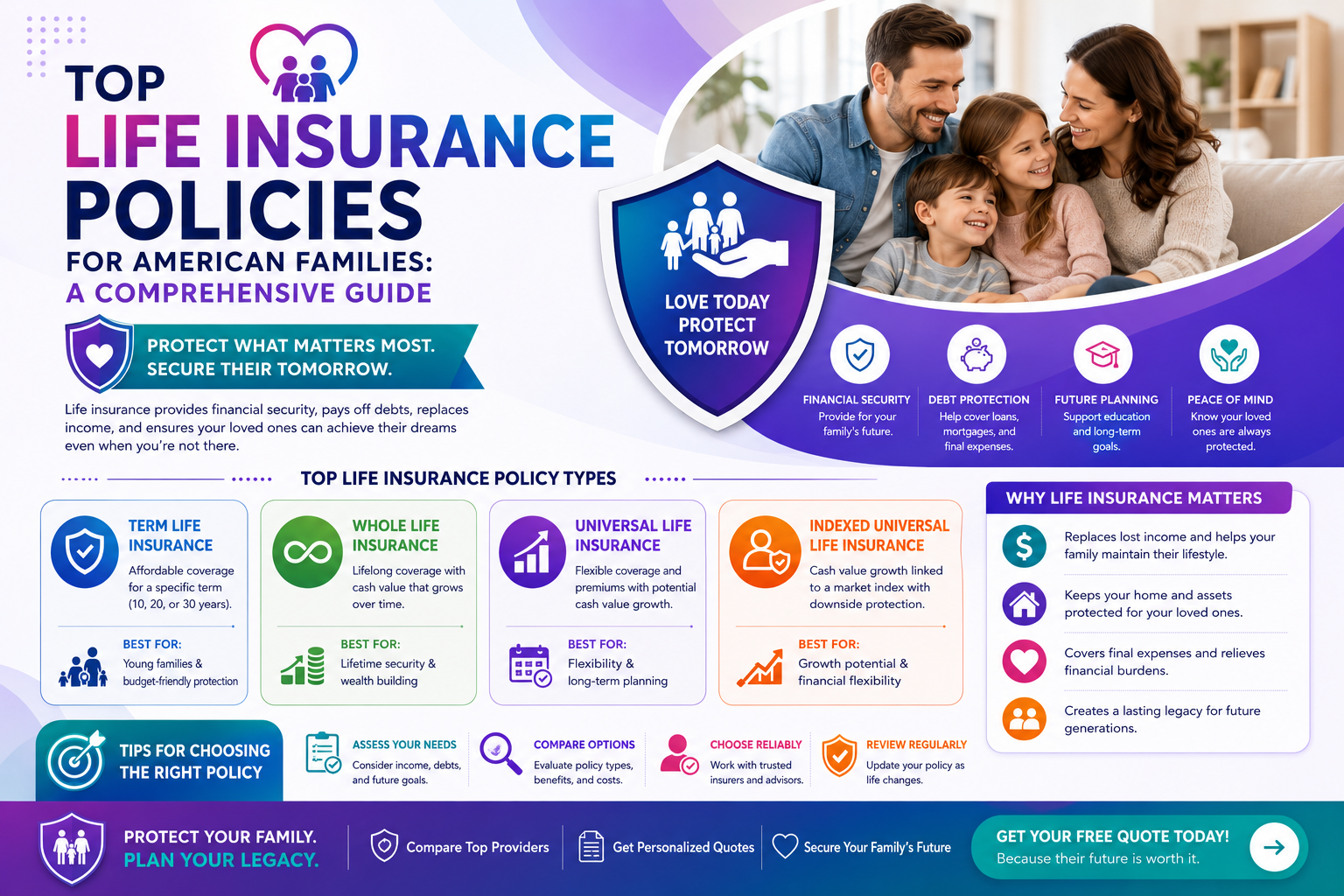
There are several main types of life insurance policies that families can choose from, each possessing distinct features and benefits. The first is term life insurance, which offers coverage for a specified term, typically ranging from 10 to 30 years. During this period, if the insured passes away, the beneficiaries receive a death benefit. Term life is usually more affordable than other types due to its temporary nature.
Whole life insurance is another option, providing coverage for the lifetime of the insured, as long as premiums are paid. This type of policy also accumulates cash value over time, which can be borrowed against or withdrawn under certain conditions. Whole life insurance often comes with higher premiums compared to term life but offers more certainty and long-term benefits.
Universal life insurance represents a more flexible alternative, allowing policyholders to adjust their premiums and death benefits within certain limits. This type of policy also builds cash value but offers greater flexibility than whole life insurance, catering to families who may have varying financial needs throughout their lives.
Criteria for Selecting Life Insurance Policies
When families set out to choose a life insurance policy, several key factors must be taken into account to ensure they select the most suitable option for their needs. One of the primary considerations is the coverage amount. This is essentially the sum assured that beneficiaries would receive upon the policyholder’s demise. Families should evaluate their expenses, debts, and potential future financial needs, such as college tuition for children or outstanding mortgages, to determine an appropriate coverage level.
Another important factor is the premium costs. The premium is the amount paid periodically to maintain the insurance coverage. Families need to assess what they can afford on a regular basis without straining their finances. It is advisable to compare different policies and obtain quotes from various insurance providers. Understanding the cost in relation to the coverage offered can help families make informed decisions.
Policy duration is also crucial. Families must consider whether they require term insurance, which provides coverage for a specified period, or whole life insurance, which offers lifetime coverage along with a cash value component. The choice between these options will largely depend on the family’s financial goals and long-term plans.
Lastly, the financial stability of the insurance provider should not be overlooked. It is essential to choose a company with a strong financial rating from independent rating agencies. This ensures that the provider will be able to fulfill its obligations in honoring claims. Researching the reputation and reliability of the insurance provider can prevent future inconvenience for families relying on these critical financial resources.
Top Life Insurance Providers for American Families
When selecting life insurance policies, American families can benefit from researching the top-rated providers in the market. Reputation, customer service, and unique features are critical aspects to consider when making this important decision. Here we highlight four prominent insurance companies that stand out for American families.
The first provider to note is Northwestern Mutual, known for its exceptional financial strength and customer service. Northwestern Mutual consistently receives high ratings from independent evaluators, reflecting its commitment to policyholders. The company offers a range of life insurance products, including term, whole, and universal policies, making it adaptable to different family needs.
State Farm is another leading option for families seeking reliable life insurance. It is notable for its extensive network of agents, providing personalized service that many families find beneficial. State Farm offers a variety of policies, including term and whole life insurance, and it frequently provides discounts for bundling insurance products, which can help families save money.
New York Life is also worth considering. This provider has a long-standing history in the life insurance industry, which speaks to its reliability. New York Life offers flexible coverage options tailored to family needs, including custom riders that can enhance standard life insurance policies. Families can also take advantage of its financial education resources, which help policyholders make informed decisions.
Lastly, Prudential provides comprehensive coverage options that attract many American families. With competitive pricing and a robust online platform, Prudential allows users to manage their policies easily. The company is particularly noted for its term life insurance policies that ensure families are protected at affordable rates.
By evaluating these top life insurance providers, American families can find the policies that best suit their needs while ensuring financial stability and peace of mind.
Best Term Life Insurance Policies
Term life insurance policies are a popular choice among American families looking for affordable coverage that provides financial protection for a specified period. This type of life insurance is designed to pay a death benefit to beneficiaries if the insured passes away within the term, typically ranging from 10 to 30 years. Several reputable insurers offer term life policies that cater to diverse family needs, ensuring peace of mind while being budget-friendly.
One noteworthy option is the Banner Life Insurance policy, which is highly regarded for its competitive rates and flexible term lengths. Clients can choose terms of 10, 15, 20, or even 30 years. Additionally, Banner Life allows for a conversion option to permanent insurance without the need for a medical exam, offering families more long-term security.
Another standout policy is Haven Life, which offers a straightforward and transparent online application process. This digital-first approach appeals to families who appreciate technology and quick service. Haven Life typically provides fast underwriting, often approving coverage instantly, which is advantageous for those needing prompt life insurance solutions.
Northwestern Mutual also merits mention, particularly for families seeking a policy that includes valuable living benefits alongside the death benefit. Their term life insurance comes with the option to convert to a permanent policy later, making it a flexible choice for families that may want to shift their coverage as circumstances change.
In conclusion, the best term life insurance policies for American families typically include features that provide flexibility and affordability. Banner Life, Haven Life, and Northwestern Mutual each offer unique benefits that help families secure the financial future of their loved ones. By evaluating the various options available, families can find the right term life insurance policy that meets their needs effectively.
Leading Whole Life Insurance Options
Whole life insurance stands as a pillar of financial security, offering families not only lifelong coverage but also the potential for cash value accumulation over time. This type of policy ensures that beneficiaries are protected financially after the policyholder’s passing, which is a fundamental aspect of family protection. In this section, we will explore several leading options in whole life insurance, highlighting their unique features and benefits.
One of the most reputable providers in the market is Northwestern Mutual, known for its strong financial stability and customer satisfaction. Their whole life insurance policies provide guaranteed death benefits as well as dividends, which can be used to reduce premiums or enhance the policy’s cash value. This flexibility makes Northwestern Mutual a top choice for families seeking long-term security.
Another notable option is MassMutual, which offers whole life insurance policies with robust growth potential through dividends. Their policies are designed with a focus on long-term family protection, allowing policyholders to customize coverage and even add riders for additional benefits, such as accelerated death benefits in cases of terminal illness.
John Hancock also deserves mention, particularly for its innovative programs that reward healthy lifestyle choices. Their whole life insurance policies not only provide coverage but also incorporate wellness initiatives, encouraging families to maintain a healthy lifestyle while contributing to potential cash value growth over time. This approach can lead to significant savings on premiums as well.
In addition to these established providers, Voya Financial stands out for families looking to combine whole life options with accessible cash value features. Voya’s policies are designed to provide both a solid death benefit and a straightforward way to access the cash value through loans or withdrawals, ensuring that families have the resources they need throughout life’s journeys.
In conclusion, when evaluating whole life insurance policies, families should consider not only the death benefit but also the potential for cash value accumulation. Choosing a reputable provider and understanding the unique features of each policy can significantly enhance long-term family protection and financial well-being.
Universal Life Insurance Policies Explained
Universal life insurance policies represent a versatile form of permanent life insurance, providing not only a death benefit but also a savings component that can grow over time. This flexibility makes them particularly appealing to American families looking for options that can adapt to changing financial circumstances.
One of the key features of universal life insurance is its adjustable premium structure. Policyholders have the ability to modify their premium payments, which can be especially beneficial during periods of financial strain. This adaptability can enable families to maintain their coverage without compromising their financial stability. Additionally, policyholders can increase or decrease their death benefit as needed, offering an additional layer of flexibility in their long-term financial planning.
The cash value component of a universal life policy grows at a variable interest rate, which is typically tied to market performance. This growth can be accessed through policy loans or withdrawals, providing families with crucial funds for emergencies or other financial needs. However, it is essential to manage these withdrawals carefully, as they may affect the death benefit and the overall health of the policy.
Another beneficial aspect of universal life insurance is the ability to change the face amount of the policy without undergoing a new underwriting process. This feature allows families to adjust their coverage in response to major life events, such as the birth of a child, a new home purchase, or other significant changes in financial responsibilities.
In summary, universal life insurance policies offer American families a unique blend of life coverage and savings potential. Their inherent flexibility enables policyholders to tailor their insurance solution to align with evolving family needs, making universal life policies a strategic choice for long-term financial security.
How to Get Quotes and Compare Policies
Obtaining quotes for life insurance is a crucial step for families seeking to secure their financial future. The process begins with gathering essential information regarding the applicants. Most insurers will require personal details, such as age, health status, and lifestyle choices, to assess the risk associated with providing coverage. Additionally, determining the desired coverage amount and policy type (e.g., term life, whole life, or universal life) will help streamline the comparison process.
Once the necessary information is compiled, families can begin to request quotes from various insurance providers. This can often be done online through the insurers’ official websites or via comparison websites that aggregate multiple providers’ quotes. By inputting the previously gathered information, families can receive tailored estimates that reflect their specific needs. Engaging with an insurance agent can also be beneficial. An experienced agent can provide insights into different policies and guide families through the complexities involved in selecting the right coverage.
After obtaining multiple quotes, it is critical to compare the policies against one another. Factors to consider include the premium costs, coverage limits, and additional features such as riders or customization options like accelerated death benefits. Understanding the terms and conditions outlined in each policy is imperative, as these can significantly impact the overall value and suitability for the family’s needs. Additionally, evaluating the insurer’s financial stability and customer service reputation can provide further assurance when making a choice.
In conclusion, by systematically gathering quotes and diligently comparing various life insurance policies, families can find a plan that aligns with their financial objectives and offers peace of mind for their loved ones. This methodical approach to selecting life insurance ensures that families will not only meet their coverage needs but also secure affordable, reliable protection for the future.
Common Myths About Life Insurance
Life insurance is a crucial financial tool that can provide security and peace of mind for American families. However, despite its importance, several myths surrounding life insurance often discourage individuals from purchasing policies. Addressing these misconceptions can help families understand the value of life insurance and make informed decisions.
One prevalent myth is that life insurance is only necessary for individuals with dependents. While it is true that families with children or spouses typically benefit significantly from a life insurance policy, single individuals or those without dependents can also find value in coverage. Life insurance can help cover outstanding debts, funeral costs, and even contribute to the financial support of relatives or charities.
Another common belief is that life insurance policies are prohibitively expensive. Although premium rates vary based on age, health, and the type of policy, many families can find affordable options that fit their budgets. In fact, starting a life insurance policy at a younger age can lead to lower premiums over time. Additionally, various options exist, including term and whole life insurance, which can cater to different financial situations.
Some individuals think they only need to buy life insurance through their employer. While employer-sponsored life insurance can be a valuable option, relying solely on this coverage can be risky. If an employee changes jobs or faces unemployment, they may lose this benefit. Obtaining an individual policy ensures that coverage remains intact regardless of employment status.
Furthermore, many mistakenly assume that life insurance is complicated and difficult to understand. However, with the help of knowledgeable agents and online resources, families can easily navigate the process of selecting a policy that suits their needs. It is essential to prioritize understanding the terms and options available.
In conclusion, debunking these myths can empower families to recognize the importance of life insurance. The right policy can offer substantial benefits and protection, ensuring financial stability and peace of mind for loved ones.
Conclusion: Planning for Your Family’s Future
In today’s unpredictable financial landscape, the importance of life insurance for American families cannot be overstated. This type of insurance serves as a financial safety net, providing a necessary layer of security that protects loved ones in the event of an unforeseen loss. Securing a life insurance policy is a pivotal step in planning for your family’s future, ensuring their financial obligations can be met even when you are no longer able to provide for them. By investing in a suitable policy, families can safeguard their children’s education, cover mortgage payments, and alleviate the burden of debts.
Moreover, life insurance allows families to maintain their standard of living and continue their plans without severe financial disruption. Given the various policy options available, it is crucial for families to evaluate their specific needs thoughtfully. Factors such as age, health, and family responsibilities often play a vital role in determining which type of policy will best fit an individual’s or family’s needs.
In conclusion, proactive planning through life insurance not only ensures peace of mind but also reinforces financial responsibility toward loved ones. Engaging with financial advisors to explore the myriad of life insurance options available can greatly assist families in making informed decisions. By recognizing the value of life insurance, American families can take an essential step toward securing their future. Therefore, understanding and obtaining life insurance should be a priority for those looking to create a stable and secure financial environment for their families.