
Understanding Personal Loans
Personal loans are a type of unsecured loan that individuals can obtain from various financial institutions, including banks, credit unions, and online lenders. These loans are designed to provide borrowers with a lump sum of money that can be used for a variety of purposes, such as consolidating debt, funding a major purchase, or covering personal expenses. Unlike secured loans, which require collateral, personal loans do not necessitate any asset-backed guarantee.
One of the distinguishing features of personal loans is their flexibility. Borrowers can use the funds for almost any financial need, which sets them apart from other loan types like mortgage loans or auto loans that are typically earmarked for specific purposes. This broad utility makes personal loans an attractive financial option for consumers seeking to manage their expenses or finance new ventures.
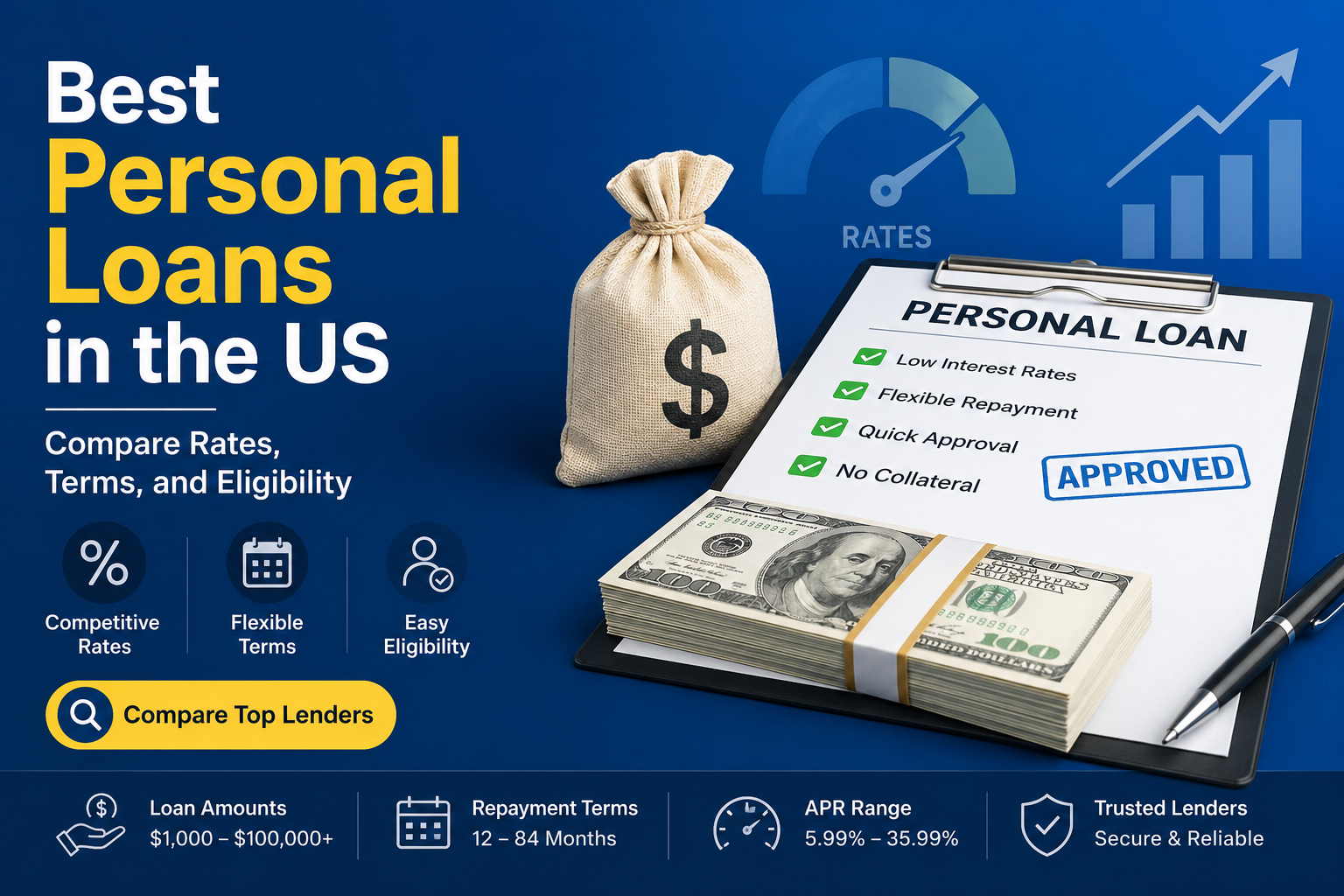
Personal loans generally come in fixed amounts, with typical ranges from a few thousand dollars to tens of thousands, depending on the lender’s policies and the borrower’s creditworthiness. The repayment periods for these loans usually span from one to seven years. The exact terms can differ significantly by lender, influencing factors such as monthly payment amounts and overall interest costs.
Interest rates for personal loans can vary widely based on several factors, including the borrower’s credit score, income, and the prevailing economic conditions. While some lenders may offer competitive rates for borrowers with excellent credit, others may impose higher rates for those with poor credit histories. This variability emphasizes the importance of shopping around for the best personal loan options available.
In essence, understanding personal loans involves recognizing their purpose and variability in terms of loan amounts, repayment terms, and interest rates. This knowledge empowers consumers to make informed decisions based on their financial situations and goals.
Benefits of Personal Loans
Personal loans present a multitude of advantages for individuals seeking financial solutions to their varying needs. One of the primary benefits of taking out a personal loan is the opportunity for debt consolidation. Many borrowers use personal loans to combine multiple debts into a single, manageable payment, which often comes with a lower interest rate compared to credit cards. This consolidation can simplify financial management and potentially save money in interest payments.
In addition to consolidating debt, personal loans can also provide funding for major purchases or significant life events. Whether individuals are looking to finance home improvements, fund a wedding, or cover medical expenses, personal loans can offer the necessary capital without the high costs associated with credit cards. Personal loans typically come with fixed interest rates, which means borrowers can plan their budget around a stable monthly payment.
Furthermore, personal loans are often easier to qualify for than other forms of credit. Many lenders provide flexible terms regarding credit scores, making it accessible to a broader range of borrowers. This flexibility is particularly beneficial for those who may not have stellar credit but require funds for unforeseen expenses. Unlike credit cards, which can lead to revolving debt, personal loans encourage responsible borrowing by establishing a defined repayment period.
Another significant advantage of personal loans is the potential for lower overall costs. As mentioned, the interest rates associated with personal loans tend to be lower than those of credit cards, especially for borrowers with good credit scores. This makes personal loans an attractive option for individuals looking to finance education, home repairs, or any unexpected costs that may arise. By choosing a personal loan with favorable terms, borrowers can maintain their financial stability while effectively managing their expenses.
Current Personal Loan Market Overview
The personal loan market in the United States has seen significant growth and evolution over recent years. As of 2023, data indicates that the number of personal loan borrowers has risen steadily, with millions of individuals seeking funds for various purposes such as debt consolidation, home improvement, and unexpected expenses. This increasing demand stems from a combination of factors, including the desire for flexibility and the competitive rates offered by lenders.
In this diverse market, competition among lenders plays a crucial role in determining the terms and interest rates of personal loans. Traditional banks, credit unions, and online lenders are vying for customers, which leads to a broad spectrum of options available to potential borrowers. This competition has resulted in a notable decline in average interest rates over the past few years, making personal loans more accessible than ever before.
Economic conditions significantly influence the dynamics of the personal loan market. Factors such as employment rates, inflation, and overall consumer confidence determine borrowers’ ability to qualify for loans and the interest rates they are offered. For instance, a strong economy with low unemployment generally encourages lenders to provide more favorable terms, while economic uncertainty can lead to stricter lending standards and higher rates. Furthermore, recent trends have shown fluctuating interest rates in response to changing monetary policies, which can affect borrowers’ decisions on when to apply for a loan.
In summary, the current personal loan market in the U.S. reflects a complex interplay between increasing borrower demand, lender competition, and prevailing economic conditions. Understanding these factors can help individuals navigate their options effectively, allowing them to select personal loans that align with their financial needs and goals.
Comparing Loan Rates: A Regional Perspective
When evaluating personal loans in the United States, one must consider the significant variations in loan rates across different states. These differences can often be attributed to several factors including state regulations, the overall cost of living, and the competitive landscape of lenders within each region. Understanding these nuances helps borrowers make informed decisions when selecting a loan that best fits their financial needs.
State regulations play a pivotal role in determining personal loan rates. Each state has its own legal framework governing interest rates and lending practices. While some states enforce strict usury laws that cap the maximum allowable interest rates, others may have more lenient regulations, allowing lenders greater freedom to set higher rates. This variability can lead to substantial differences in the interest that borrowers might pay, depending upon their geographical location.
Additionally, the cost of living in various states influences personal loan rates. Areas with a high cost of living, such as California or New York, typically see higher loan rates. This trend is often linked to the elevated levels of risk that lenders perceive in markets with higher living expenses, as borrowers in these regions may face greater financial strain. Conversely, states with lower living costs may offer more competitive rates, catering to a demographic that may be seen as lower-risk by lending institutions.
A further influence on regional loan rates is the competitive landscape among lenders. States with a higher concentration of financial institutions generally experience more competitive pricing. In such markets, lenders may lower rates to attract borrowers, leading to a broader range of options for consumers. On the other hand, states with fewer lenders or limited competition often report higher rates.
Overall, when comparing personal loan rates across the U.S., it is essential to consider these regional factors to fully understand how they impact the cost and availability of personal loans. By being aware of these differences, borrowers can make more strategic and informed choices regarding their loan options.
Evaluating Loan Terms: What to Look For
When considering personal loans, it is essential to evaluate various loan terms to make an informed decision that aligns with your financial needs and capabilities. The primary aspects to focus on include repayment terms, interest rates, fees, and any penalties associated with prepayment.
Repayment terms significantly influence how much you will ultimately pay for a personal loan. A longer repayment period can lower your monthly payments, making them more manageable; however, it may also result in a higher total interest cost over time. Conversely, shorter repayment terms can lead to higher monthly payments but often come with lower interest rates.
Interest rates are another critical factor that borrowers must consider. They can widely vary based on the lender, the market conditions, and individual creditworthiness. Comparing annual percentage rates (APRs) can provide a clearer picture, as they encapsulate both the interest charged and any associated fees. It’s advisable to explore fixed versus variable rates; fixed rates remain constant throughout the loan term, offering stability, while variable rates may fluctuate, potentially leading to lower initial costs.
Fees should also be part of your evaluation. Common fees include origination fees, late payment fees, and prepayment penalties. An origination fee is typically a percentage of the loan amount charged for processing your loan application. Late fees can add to your overall cost if payments are not made promptly. Prepayment penalties, on the other hand, can dissuade borrowers from paying off loans early, even if they have the means to do so.
In summary, carefully reviewing repayment terms, interest rates, fees, and prepayment penalties is vital for anyone considering personal loans. This due diligence can significantly affect your financial health and overall satisfaction with the loan experience.
Eligibility Criteria for Personal Loans
When seeking a personal loan, one of the first considerations is understanding the eligibility criteria set by lenders. These criteria can dictate whether an applicant qualifies for a loan and what terms may be offered. Generally, lenders assess several key factors during the evaluation process.
One of the most critical eligibility requirements for personal loans is the borrower’s credit score. Lenders typically favor applicants with higher credit scores, as this indicates a history of responsible borrowing and timely repayments. While specific credit score requirements can vary between lenders, a score of 680 or above is often considered acceptable for securing favorable rates. Borrowers with scores below this threshold may still qualify but likely at higher interest rates.
Another significant factor is the applicant’s income level. Lenders want to ensure that borrowers have sufficient income to manage loan repayments alongside their existing financial obligations. This is commonly evaluated through the applicant’s gross monthly income, which should be adequately documented, often via pay stubs, tax returns, or bank statements. Lenders also look at the stability of income; individuals with steady and reliable sources of income are more likely to be approved.
The debt-to-income (DTI) ratio is another vital component of the eligibility assessment. This ratio compares a borrower’s total monthly debt payments to their gross monthly income. A lower DTI ratio typically signals to lenders that the applicant is less encumbered by debt, making them a more attractive candidate for a personal loan. Many lenders prefer a DTI ratio of 43% or lower, although this can vary significantly.
Finally, different lenders may impose varying criteria based on their risk assessment protocols and target market. Some may also consider factors such as employment history, savings accounts, and any collateral that could be provided to secure the loan. Being aware of these eligibility requirements and how they may differ can help borrowers find the most suitable loan options available to them.
Best Lenders for Personal Loans
When navigating the personal loan landscape in the U.S., several lenders stand out due to their competitive rates, favorable terms, and attractive features that cater to various borrowing needs. Understanding these options is crucial for those looking to secure a personal loan that aligns with their financial situation.
One of the top contenders is LightStream, known for offering some of the lowest interest rates available for personal loans. With rates starting as low as 3.99% APR, LightStream also allows borrowers to choose loan amounts ranging from $5,000 to $100,000, making it an appealing option for a wide range of purposes, including debt consolidation, home improvement, and major purchases. Moreover, their commitment to fast funding often results in same-day disbursement for applicants who meet certain criteria.
SoFi is another lender worth considering, particularly for those seeking larger loan amounts. SoFi offers loans up to $100,000 with an attractive interest rate range that starts at around 6.99% APR. One notable feature is the unemployment protection program, which allows borrowers to temporarily postpone payment in case of job loss. Beyond financial support, SoFi extends benefits like career coaching and financial planning, appealing to clients looking for more than just a loan.
Another reputable lender, Marcus by Goldman Sachs, provides personal loans with no fees and a transparent interest rate structure. Rates start from 6.99% APR, and borrowers can select terms between 36 and 72 months. The absence of origination or late fees is particularly beneficial for borrowers concerned about hidden costs, making Marcus a favorable choice for those looking for straightforward lending.
For those who may not have pristine credit, Avant specializes in offering loans to individuals with fair credit. With rates ranging from 9.95% to 35.99% APR, Avant’s loan amounts can go up to $35,000. Although their rates may be higher, their focus on providing accessibility can be advantageous for borrowers recovering from financial setbacks.
In conclusion, the landscape of personal loans in the U.S. is populated by various lenders, each with unique offerings. Borrowers should assess their financial needs and credit profiles to find the best lender that accommodates their specific requirements.
Understanding the Application Process
Applying for a personal loan can be a straightforward process if you are well-prepared and informed. The first step is to assess your financial needs and determine the amount you want to borrow. This understanding will guide you in selecting the appropriate loan type that best fits your requirements.
Once you have established the amount needed, the next step involves gathering necessary documentation. Lenders typically require a range of documents, including proof of identity, income verification, employment details, and credit history. Having these documents ready can expedite the application process significantly. It is essential to review your credit report beforehand, as this will provide insights into your creditworthiness and help you identify any discrepancies that may need attention prior to applying.
After preparing your documentation, you can proceed to complete the application. Most lenders offer online applications, allowing you to submit your request securely from the comfort of your home. Be sure to fill out all sections accurately and provide truthful information, as any discrepancies may delay your approval or lead to denial.
Once your application is submitted, the lender will initiate the approval process. This typically includes a review of your credit score and the information provided in your application. Approval times vary, but many lenders will provide written notification within a few days. During this period, it is crucial to avoid making major financial changes, such as opening new credit accounts or changing jobs, as these can negatively impact your application.
While awaiting approval, be vigilant of common pitfalls. For instance, ensure you understand the terms and conditions of the loan offer. Additionally, be cautious of applying to multiple lenders at once, as this can trigger multiple inquiries on your credit report and potentially harm your score. In essence, preparation and awareness are key to navigating the personal loan application process successfully.
Tips for Securing the Best Loan Terms
Securing favorable loan terms can significantly affect your financial health. Therefore, it is crucial to adopt a proactive approach in preparing for a personal loan application. One of the first steps in this process is improving your credit score. A higher credit score generally leads to better interest rates and more favorable terms. To enhance your credit rating, ensure that you pay your bills on time, maintain low credit card balances, and avoid opening too many new accounts at once. Consistent financial behavior plays a vital role in this aspect.
Furthermore, regularly checking your credit report for errors is an essential practice. Discrepancies can negatively impact your score, and disputing inaccuracies can lead to improvements. Many financial institutions provide free access to your credit report, which allows you to examine it closely for mistakes.
Another important consideration when looking for personal loans is to shop around for rates extensively. Different lenders may offer varying rates and terms, so it is advantageous to get multiple quotes. Many online platforms allow you to compare personal loans easily and quickly. While comparing, pay attention to the Annual Percentage Rate (APR), which includes interest and any fees involved, ensuring you have a full picture of the loan’s cost.
Negotiating terms with lenders is another effective strategy. Many consumers are unaware that negotiating loan terms is possible. By demonstrating a strong credit profile or mentioning competing offers, you may convince lenders to lower interest rates or increase loan amounts. Always ask about the possibility of fee waivers or better terms based on your financial history.
In conclusion, improving your credit score, shopping around for rates, and negotiating with lenders can significantly enhance your chances of obtaining favorable loan terms, making the borrowing process more affordable and manageable.