
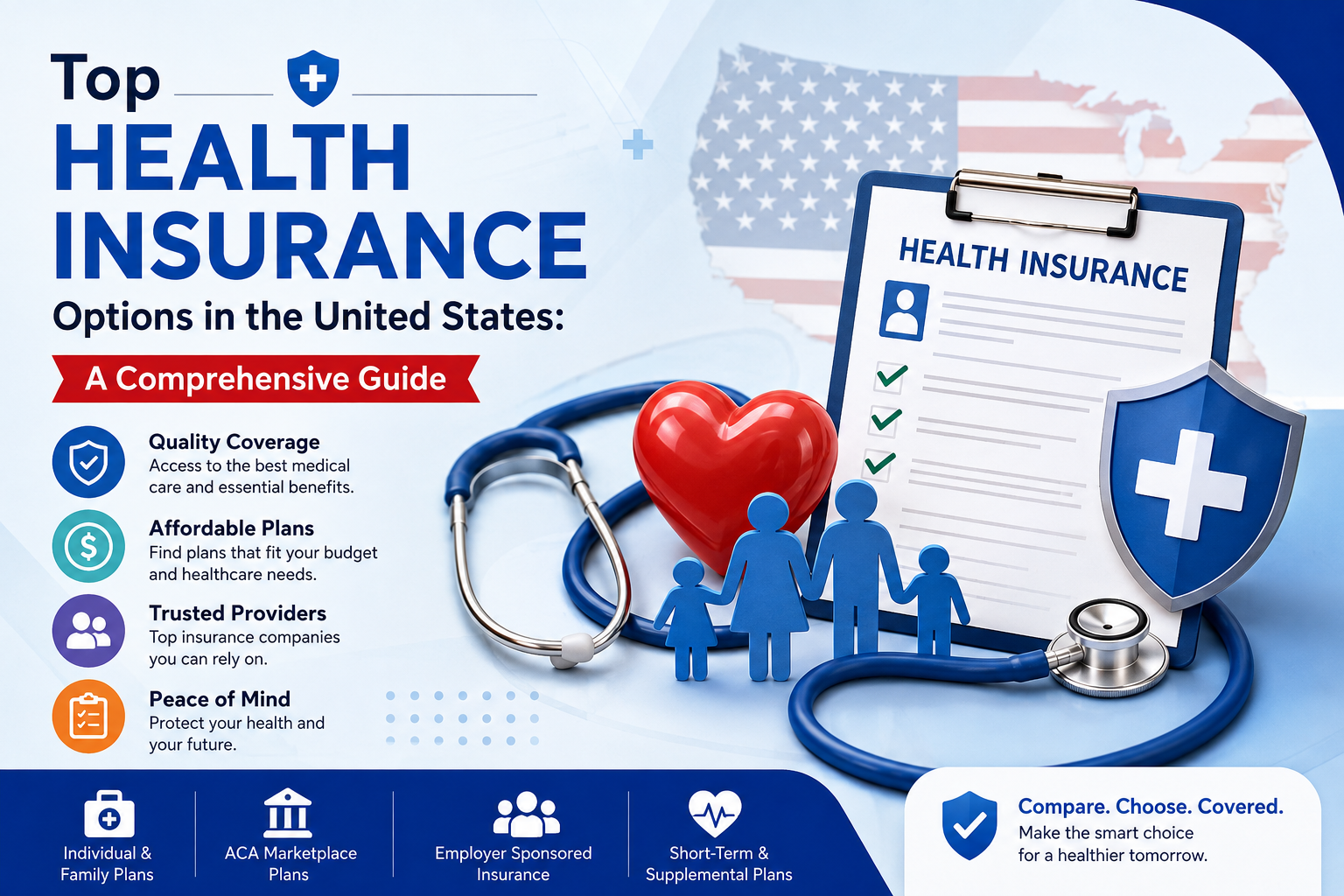
Understanding Health Insurance in the U.S.
The health insurance system in the United States is a complex but crucial aspect of the healthcare landscape. It plays a significant role in managing the cost of medical care, ensuring access to necessary services and protecting individuals and families from financial burdens associated with health-related issues. Understanding the various types of health insurance options available is essential for making informed decisions that best meet personal and family health needs.
Health insurance can generally be categorized into several types: individual plans, group plans, and government programs. Individual plans are purchased by people directly from insurance providers; they allow for customization based on the insured’s specific healthcare needs. These plans often cover a range of medical services including preventive care, hospital stays, and outpatient treatment, and can vary significantly in terms of coverage, cost, and provider networks.
Group plans, on the other hand, are commonly provided by employers to their employees as a part of their benefits package. These plans typically offer lower premiums due to the larger risk pool among members of the group, making them an attractive option for many workers. Group health insurance can also extend to families, allowing spouses and dependents to benefit from coverage under the same policy.
Moreover, government programs such as Medicare and Medicaid represent critical components of the health insurance system, catering to specific populations including the elderly, low-income families, and individuals with disabilities. Medicare primarily serves individuals aged 65 and older, while Medicaid provides coverage for qualifying individuals of all ages based on income and other criteria. These programs ensure that vulnerable groups receive necessary medical care and support.
Ultimately, the variety of health insurance options in the United States allows individuals to choose plans that align with their financial capabilities, health requirements, and personal circumstances. Understanding these different insurance types is fundamental in navigating the U.S. healthcare system effectively.
Key Features to Consider When Choosing a Plan
Choosing a health insurance plan is a significant decision that can affect your finances and well-being. To make an informed choice, it is crucial to assess several essential factors. One of the primary considerations is the premium, which is the amount you pay for your health insurance policy. Understanding how much you can afford to pay monthly, alongside the related costs, is vital. Lower premiums may seem attractive, but they often come with higher out-of-pocket expenses.
Another key factor to examine is the deductible. This is the amount you are required to pay out of pocket before your insurance begins to cover your medical expenses. Plans with high deductibles typically offer lower premiums, which may be suitable for healthy individuals who do not anticipate frequent medical visits. However, it could pose financial strain in case of unexpected health issues.
Coverage limits are also essential in the selection process. Each insurance policy has its specific limits on what is covered. It is important to investigate whether the plan covers essential services such as emergency care, prescription medications, and preventive care. Understanding the extent of coverage ensures that you are not left with significant out-of-pocket costs in the event of a medical crisis.
Furthermore, network providers impact your healthcare experience, as insurance plans often collaborate with a specific group of doctors and hospitals. Ensuring that your preferred healthcare providers are within the network can lead to substantial savings. Plans that require referrals or have narrow networks may reduce your choices but can also lower costs.
Lastly, additional benefits may vary between plans and can include services such as wellness programs, telehealth options, and mental health support. Assessing these additional features can enhance your healthcare experience and promote better overall health. By carefully evaluating premiums, deductibles, coverage limits, network providers, and additional benefits, consumers can choose a health insurance plan that best aligns with their needs.
Types of Health Insurance Plans Explained
Health insurance plans in the United States come in several types, each with unique structures, benefits, and limitations. Understanding the differences allows consumers to make informed choices that best suit their healthcare needs and financial situations.
One of the most common types of plans is the Health Maintenance Organization (HMO). HMOs require members to select a primary care physician (PCP) who coordinates all healthcare services. Referrals from the PCP are often necessary for specialist visits. While HMOs typically have lower premiums and out-of-pocket costs, they can also restrict members to a network of doctors and hospitals, which may limit options.
Another prevalent option is the Preferred Provider Organization (PPO). PPOs offer greater flexibility by allowing members to see any healthcare provider without a referral. They also have a network of preferred providers that can result in lower costs for services received within that network. However, choosing an out-of-network provider may incur higher out-of-pocket expenses, making cost management essential for members.
An Exclusive Provider Organization (EPO) is similar to a PPO, but EPOs typically do not cover any healthcare services obtained outside of the network. This type of plan combines the flexibility of a PPO with more controlled costs, as members are incentivized to use the network providers to avoid high out-of-pocket expenses.
Lastly, Point of Service (POS) plans blend features of both HMOs and PPOs. Members select a primary care physician and need referrals for specialists, akin to HMOs, but they can also receive care outside the network, similar to PPOs. This flexibility comes with the trade-off of potentially higher costs for out-of-network care. Each type of health insurance plan has advantages and challenges, making it crucial for individuals to assess their healthcare needs and financial capabilities when selecting a suitable plan.
Best Health Insurance Providers in 2023
In 2023, the health insurance landscape in the United States continues to evolve, with numerous providers offering various plans tailored to meet diverse healthcare needs. This section examines some of the leading health insurance companies recognized for their exceptional service, comprehensive policy options, and customer satisfaction.
One of the top contenders is UnitedHealthcare, which has made a name for itself by providing an extensive network of healthcare providers and a wide array of plans that cater to individuals and families alike. Their reputation for strong customer service, combined with innovative digital tools for members, allows individuals to manage their health plans efficiently.
Another prominent player is Anthem Blue Cross Blue Shield. Known for their regional presence, Anthem offers a variety of health insurance plans, including individual and family plans, Medicare Advantage, and supplemental insurance. Their commitment to health equity and community wellness programs distinguishes them from other providers in the marketplace.
Aetna also remains a strong option, particularly for its wide-ranging benefits and wellness programs designed to enhance member health. With an emphasis on preventive care and personalized health solutions, Aetna is highly regarded for providing services that align closely with the diverse needs of its members.
Lastly, Cigna is celebrated for its global health initiatives and comprehensive health resources. The company’s commitment to health improvement and disease management exemplifies its dedication to contributing positively to health outcomes. Cigna’s plans often include extensive mental health coverage, which has become increasingly important.
In conclusion, selecting the right health insurance provider requires careful consideration of coverage options, customer service ratings, and unique offerings. UnitedHealthcare, Anthem, Aetna, and Cigna represent some of the best providers in the U.S., each bringing their distinct advantages to the health insurance marketplace in 2023.
Comparing Health Insurance Plans: A Step-by-Step Guide
When it comes to selecting the right health insurance plan, understanding and comparing various options is essential for consumers. The process can seem overwhelming, but with a systematic approach, it becomes manageable. Here are comprehensive steps to effectively compare health insurance plans.
First, identify your healthcare needs. This involves understanding your medical history, frequency of doctor visits, and any anticipated healthcare expenses. Gaining clarity on these needs will allow you to narrow down the plans that offer the necessary coverage. For instance, if you require specialized treatments or prescription medications, ensure that providers included in the plans cover these needs adequately.
Next, make use of online comparison tools. Websites such as Healthcare.gov, eHealthInsurance, and private exchange platforms provide robust resources for consumers. They allow users to compare different plans based on premiums, deductibles, out-of-pocket maximums, and coverage types. Entering specific information about your healthcare needs onto these sites yields tailored plans that meet your criteria.
After gathering information, examine the details of each plan closely. Pay attention to the premiums, deductibles, and copayments, as these elements can greatly affect your overall healthcare expenses. A lower premium may seem appealing but might come with higher out-of-pocket costs. Conversely, a plan with a higher premium may include lower out-of-pocket expenses, which might be beneficial if you anticipate frequent medical services.
Additionally, reviewing the provider network is essential. Ensure that your preferred healthcare providers and hospitals are included within the plan’s network. Out-of-network services can lead to substantial out-of-pocket costs, which can be a critical factor in your decision-making process. If you have a primary care provider or specialist you wish to maintain, confirm their participation with any potential plans.
Lastly, consider the plan’s financial stability and ratings. Research consumer feedback and industry ratings to gauge customer satisfaction, claim processing, and overall quality of service. By following these steps and utilizing available resources, consumers can confidently select the health insurance plan that best suits their needs.
Cost Considerations: How to Budget for Health Insurance
When navigating the world of health insurance, understanding the associated financial elements becomes paramount. The cost of health insurance can include premiums, deductibles, co-payments, and out-of-pocket expenses. Each of these factors significantly influences how individuals and families allocate their financial resources to ensure appropriate coverage.
To begin, health insurance premiums represent the regular payments made to maintain coverage. These costs can vary widely based on the chosen plan, the provider, and the individual’s health status. It is essential to evaluate these premiums against one’s budget carefully. When planning a budget, individuals should consider not only their monthly income but also other fixed expenses, such as housing, utilities, and groceries, to determine how much they can realistically allocate to health insurance.
Furthermore, it is crucial to account for out-of-pocket expenses. These are costs that policyholders must pay out of their pockets for services not fully covered by their health insurance plan. This may include co-pays for doctor visits, coinsurance, or deductibles that need to be satisfied before the insurance begins to cover expenses. Understanding these potential out-of-pocket costs is vital for effective budgeting, especially for those with chronic health conditions who may require frequent medical care.
Another important aspect is the need for secondary budgeting for unexpected healthcare costs. It is advisable to set up an emergency fund that can cover such expenses, ensuring that sudden medical needs do not jeopardize overall financial stability. Additionally, investing in preventive care and routine check-ups can save money in the long run by identifying and addressing health issues early.
Financial planning for health insurance should involve reviewing and comparing different plans and their total costs, not just the premium. By establishing a comprehensive budget that accounts for all potential health-related expenses, individuals can better manage their finances and secure the necessary healthcare coverage.
Government Programs: Medicare, Medicaid, and CHIP
In the United States, government health insurance programs play a pivotal role in providing coverage for millions of citizens. Two of the most significant programs are Medicare and Medicaid, along with the Children’s Health Insurance Program (CHIP). Each of these programs is designed to cater to different populations with specific eligibility criteria and coverage options.
Medicare primarily serves individuals aged 65 and older, although younger individuals with certain disabilities or diseases may also qualify. This program is divided into various parts, each offering different coverage levels. Part A generally covers hospital insurance, which includes inpatient hospital stays, skilled nursing facility care, hospice, and some home health care. Part B, on the other hand, offers medical insurance that helps cover outpatient care, doctor visits, and preventive services. Eligible individuals can access Medicare through various enrollment periods, ensuring they have timely coverage as they age.
Medicaid, in contrast, is designed to provide health coverage for low-income individuals and families. The eligibility for Medicaid varies by state, but it generally covers a wide range of health services, including hospital visits, long-term care, and some preventive services. Importantly, Medicaid expansion under the Affordable Care Act has extended coverage to many who previously did not qualify, making it an essential resource for those with limited financial means.
CHIP targets uninsured children in families with incomes that are modest but too high to qualify for Medicaid. This program ensures that children receive necessary medical care, including routine check-ups, immunizations, and emergency services. The benefits of CHIP can vary by state, but they fundamentally aim to prevent gaps in healthcare access for children.
Accessing these government health insurance programs can be done through official websites or local health offices, where guidance on enrollment procedures is provided. Understanding the nuances of Medicare, Medicaid, and CHIP is crucial for individuals to make informed decisions regarding their healthcare coverage.
Health Insurance Enrollment Periods and Requirements
Health insurance enrollment is a critical aspect of maintaining adequate health coverage, and understanding the specific timelines and requirements associated with it is essential for all consumers. The enrollment process for health insurance typically revolves around designated periods during which individuals can apply for new coverage or make changes to their existing plans.
The primary enrollment opportunity for most Americans falls during the annual open enrollment period, which usually occurs in the fall. During this time, individuals can enroll in new health insurance plans through the Health Insurance Marketplace or update their existing plans. It is important to note that each insurance provider may have slightly different dates, but open enrollment for the Marketplace usually runs from November to December.
In addition to open enrollment, there are special enrollment periods (SEPs) that allow individuals to enroll or make changes to their plans outside of the standard timeframe. SEPs are triggered by certain qualifying events, such as getting married, having a baby, moving to a new state, or losing other health coverage. It is crucial to act quickly during a special enrollment period, as these windows of opportunity are often limited to 60 days following the qualifying event.
Another important consideration is the effective date of coverage. When enrolling during open enrollment or a special enrollment period, applicants should be aware that their insurance coverage might not begin immediately. Typically, if enrollment is completed by a certain date, the coverage is set to start on the first day of the following month. Understanding these timelines helps individuals plan their health care needs and budget accordingly.
In conclusion, being informed about health insurance enrollment periods and the specific requirements is vital for ensuring proper health coverage. Understanding both the open enrollment and special enrollment options can empower individuals to take control of their health insurance needs, avoiding gaps in coverage that can have significant consequences for their well-being.
The Future of Health Insurance in America
The health insurance landscape in America is poised for significant evolution in the coming years due to a combination of legislative changes, technological advancements, and shifting consumer demands. Each of these elements is expected to play a crucial role in shaping health insurance policies, making them more accessible and beneficial for a broader range of individuals.
In recent years, legislation surrounding health insurance has seen considerable debate and adjustment. Anticipated reforms may lead to expanded coverage options and reduced costs for consumers, aiming at enhancing the overall quality of care. Policymakers are expected to focus on ensuring that health insurance remains a fundamental right, prompting increased governmental role in regulation and management of these insurance plans.
Technological advancements are also revolutionizing the health insurance sector. The integration of artificial intelligence and data analytics into health insurance processes can streamline operations, improve customer service, and provide personalized insurance solutions based on individual health profiles. This technology not only enhances user experience but also helps insurers mitigate risks by allowing for more accurate assessments of patient health.
Shifts in consumer demands are driving health insurance companies to adapt to a more health-conscious population. As more individuals prioritize overall wellness, insurers are expected to offer plans that include preventive services and wellness programs. The increasing awareness and demand for mental health services are also influencing health insurance offerings, prompting providers to include such services in their plans more comprehensively.
Overall, the future of health insurance in America will likely be characterized by greater accessibility, improved technology, and responsiveness to consumer needs. These changes signal a transitioning phase in the industry aimed at fostering a system that better serves the ambitions and requirements of its users.